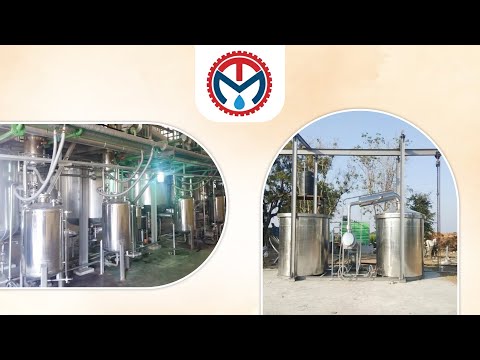
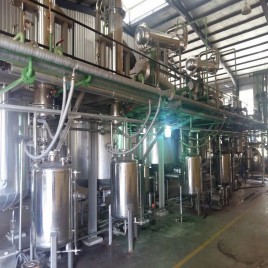
A natural color extraction plant is a facility designed to extract pigments and dyes from various natural sources such as fruits, vegetables, flowers, and other botanical materials. These extracted colors are commonly used in the food, beverage, cosmetic, and pharmaceutical industries as natural alternatives to synthetic dyes.A Walnut Hulls Brown Color Extraction Plant is an industrial facility dedicated to extracting natural brown dye from the outer hulls (husks) of walnuts, particularly black walnuts (Juglans nigra). These hulls are rich in tannins and juglone, which are the primary compounds responsible for the deep, rich brown color produced.Raw Material: The plant uses the spongy, fleshy hulls of walnuts, which are a byproduct of walnut processing and would otherwise be considered agricultural waste.Extraction Method:The hulls are broken up or ground to maximize surface area for extraction.The hull material is soaked or simmered in water, typically at around 180°F (82°C) for 1–2 hours, to release the dye compounds.For deeper color, the mixture is often left to steep overnight, allowing the rich brown color to develop fully with exposure to oxygen.The dye solution is then filtered to remove solid particles, producing a clear dye bath.The resulting extract can be used directly for dyeing fibers or further concentrated for industrial applications.Color Range: Walnut hull dye produces a spectrum of browns, from creamy milk chocolate to deep, dark chocolate hues. The addition of iron can shift the color toward darker, cooler browns.