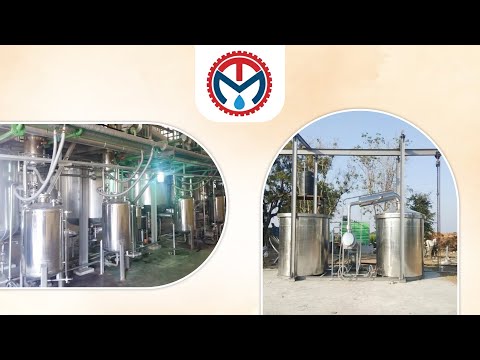
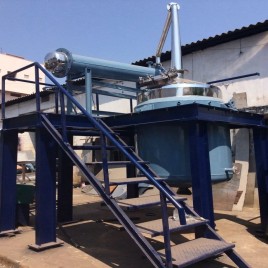
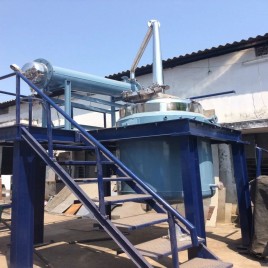
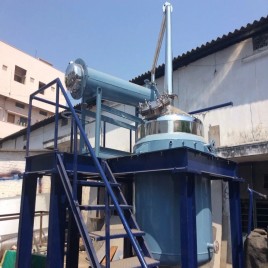
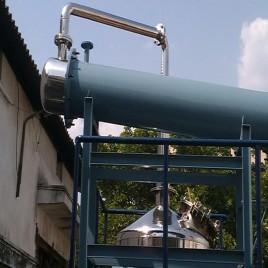
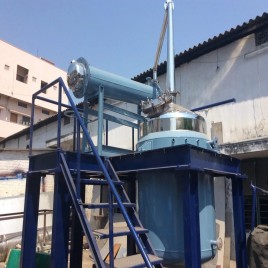
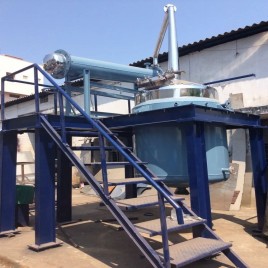
A Kewada (Kewda) Flower & Buds Oils Distillation Plant is a facility designed to extract essential oil from the flowers and buds of the Kewada plant (Pandanus odoratissimus), which is highly valued for its unique fragrance and flavor.Key Features and Process:Traditional Hydro-distillation: The most common method for extracting kewada oil is hydro-distillation, where fresh kewada flowers are placed in a distillation vessel (often called a "deg" or "bhabka") with water. The vessel is then sealed and heated, generating steam that passes through the floral material, extracting the volatile aromatic compounds.Steam Distillation: In some modern setups, steam is generated in a separate boiler and passed through the flowers, carrying the essential oils with it. The steam-oil mixture is condensed, and the oil is separated from the water in a separator.Production of Attar: Kewada attar is produced by absorbing the vaporized kewada oil into a base oil such as sandalwood or paraffin oil, resulting in a fragrant blend used in perfumery.Yield and Seasonality: The process is typically carried out during the rainy season for better oil yield, as cooler temperatures improve recovery. The number of flowers processed at a time can affect both the yield and quality of the oil and attar.Applications: Kewada oil and attar are widely used in perfumery, cosmetics, aromatherapy, and as flavoring agents for foods and beverages.Summary:A Kewada Flower & Buds Oils Distillation Plant utilizes hydro-distillation or steam distillation techniques to extract the highly aromatic essential oil from kewada flowers. The process preserves the delicate fragrance compounds, producing oils and attars that are prized in traditional and modern applications for their unique scent and flavor .