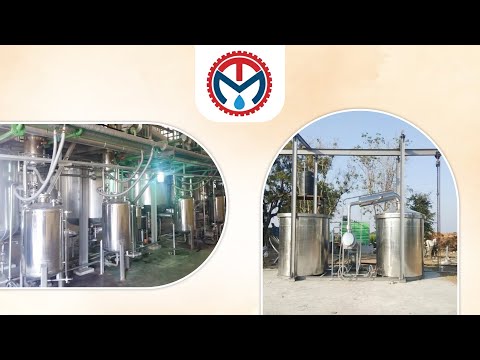
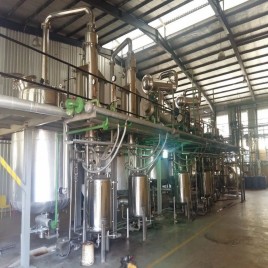
A natural color extraction plant is a facility designed to extract pigments and dyes from various natural sources such as fruits, vegetables, flowers, and other botanical materials. These extracted colors are commonly used in the food, beverage, cosmetic, and pharmaceutical industries as natural alternatives to synthetic dyes.An Oak Bark / Birch Brown Color Extraction Plant is an industrial facility designed to extract natural brown dyes from the bark of oak (Quercus spp.) and birch (Betula spp.) trees. These plants harness the high tannin and polyphenolic content of the bark to produce eco-friendly, plant-based colorants, primarily for textile dyeing and related applications.Raw Material: The facility uses the bark of oak and birch trees, both of which are rich in tannins and polyphenols—the compounds responsible for brown coloration.Extraction Methods:Water Extraction (Decoction): Bark is soaked (often overnight) and then simmered in water for 1–2 hours to release the dye compounds. The resulting liquid is strained to obtain the dye solution.Alcohol Extraction: Alcohol-based solvents may be used to enhance pigment yield and extract a broader spectrum of colorants from the bark.Fermentation-Based Extraction: In some cases, fermentation is used to deepen the brown shade and increase pigment concentration.Dye Application: The extracted dye is suitable for wool, silk, linen, and other natural fibers. Oak bark dye can produce a range of shades from golden beige to deep brown, depending on pH, mordant, and extraction method. Birch bark typically yields light to medium brown hues.Mordants: While oak bark’s high tannin content often allows dyeing without mordants, using iron or alum can improve color fastness and modify the final shade.Product: The end product is a concentrated, standardized natural brown dye, which can be delivered to textile dyehouses and other industries.