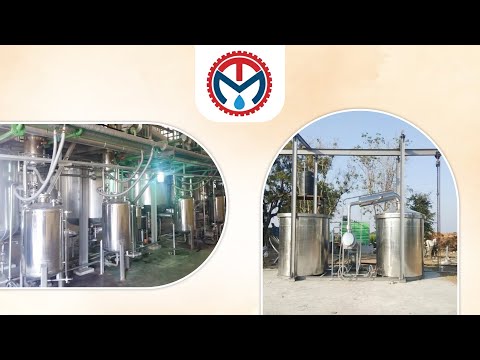
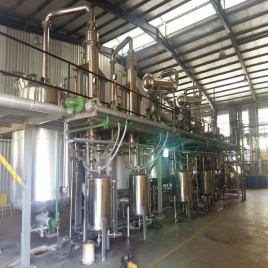
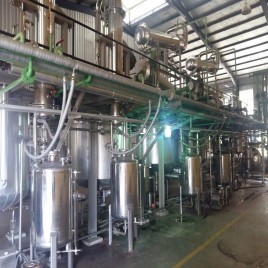
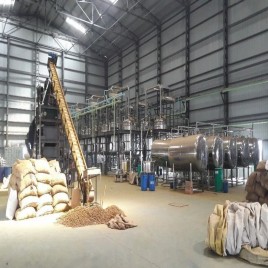
A natural color extraction plant is a facility designed to extract pigments and dyes from various natural sources such as fruits, vegetables, flowers, and other botanical materials. These extracted colors are commonly used in the food, beverage, cosmetic, and pharmaceutical industries as natural alternatives to synthetic dyes.A natural color extraction plant for iris roots is a facility or process designed to extract natural dyes from the roots (rhizomes) of iris species, particularly those like Iris pseudacorus and Iris germanica, which are historically recognized for their dyeing properties.Key Features:Plant Part Used: The roots (rhizomes) of certain iris species are the primary source for dye extraction.Dye Colors Produced: Iris roots are traditionally used to produce black dyes, notably a color known as "Sabbath black," especially when stabilized with sulfur or iron mordants.Extraction Process: The roots are typically cleaned, chopped, and simmered in water, often with the addition of mordants (like iron salts) to develop and fix the desired color on textiles.Chemical Composition: The dyeing properties are attributed to various plant metabolites, including tannins and other phenolic compounds present in the roots, which react with mordants to yield deep, colorfast hues.Applications: The extracted dye is primarily used for coloring natural fibers such as wool and cotton, as well as in traditional textile crafts and eco-printing.